Cointeaching Outdoor product specialty store, safeguarding your safety.

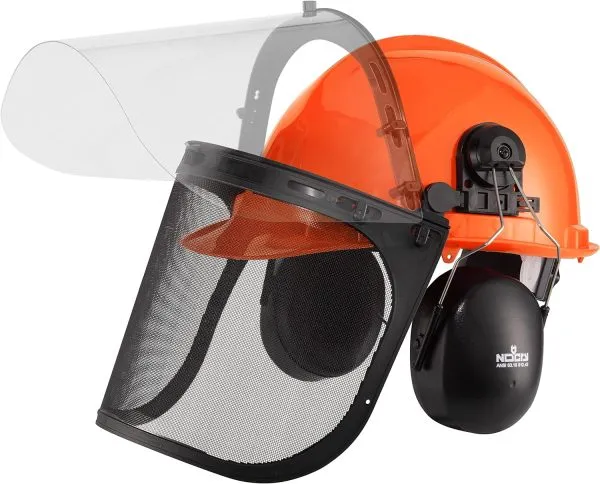
The Essential Guide to Choosing a Protective Helmet for Chainsaw Use
When it comes to operating a chainsaw, safety should always be your top priority. A reliable protective helmet is an indispensable piece of equipment that helps safeguard against potential hazards associated with cutting wood and managing vegetation. In this article, we will explore the benefits of using a protective helmet, key features to consider when selecting one, and tips for proper maintenance to ensure long-lasting performance.
1. The Importance of Protective Headgear
A protective helmet is crucial for anyone who operates a chainsaw, whether for professional forestry work or personal projects. Understanding its importance can help you appreciate the features that make a helmet effective.
Comprehensive Protection
The primary function of a protective helmet is to shield the head from various hazards that may arise during chainsaw operation.
- Impact Resistance: Chainsaws can produce flying debris, such as wood chips and branches. A well-designed helmet provides impact resistance, protecting your head from potential injuries caused by falling objects or accidental contact with the chainsaw.
- Face and Ear Protection: Many helmets come equipped with additional features such as face shields and earmuffs. These components offer vital protection against both physical injuries and noise exposure, which can be significant when operating power tools.
Comfort and Fit
Comfort is essential for maintaining focus and efficiency while working. A helmet that fits well and is comfortable to wear can greatly enhance your overall experience.
- Adjustable Sizing: Look for helmets with adjustable straps and padding to ensure a snug fit. A properly fitted helmet reduces the risk of it shifting or falling off during use, providing consistent protection.
- Ventilation: Working in warm conditions can lead to overheating, so a helmet with ventilation features allows for airflow, keeping you cool and comfortable during extended use.
Compliance with Safety Standards
Using a helmet that meets safety standards is essential for ensuring adequate protection. Many helmets are certified to industry standards, which indicates their reliability and effectiveness.
- ANSI Certification: Helmets that are ANSI Z89.1 certified have undergone rigorous testing to ensure they meet specific safety criteria. This certification provides peace of mind that the helmet will perform as expected in hazardous environments.
- Industry Recognition: Look for helmets that comply with relevant regulations in your region, as these standards often dictate the necessary features for effective protection in forestry and arborist work.
2. Key Features to Look for in a Protective Helmet
When selecting a protective helmet for chainsaw use, certain features can significantly enhance its usability and safety. Understanding these features can help you make an informed decision.
Material and Construction
The materials used in the helmet’s construction are crucial for both durability and protection.
- High-Impact Plastics: Most protective helmets are made from high-impact plastics that can withstand significant force. This material helps absorb the impact from falling debris, providing essential protection for your head.
- Removable Liners: Helmets with removable liners allow for easy cleaning and maintenance. A clean helmet not only looks better but also helps maintain hygiene, especially if used frequently.
Face Shield and Visor Options
Face shields and visors are essential components of a protective helmet, offering additional coverage for your face and eyes.
- Mesh vs. Clear Shields: Some helmets come with both mesh and clear face shields. Mesh shields provide ventilation and visibility while protecting against larger debris, whereas clear shields offer better visibility and protection against smaller particles.
- Scratch-Resistant Coating: Look for face shields with scratch-resistant coatings to ensure clarity and longevity. A clear view is essential for safe operation, so maintaining visibility is a top priority.
Hearing Protection
Chainsaw operation can expose you to loud noise levels, making hearing protection a vital consideration.
- Integrated Ear Muffs: Many helmets come with integrated ear muffs designed to reduce noise exposure. Choose helmets with adjustable ear muffs to ensure a comfortable fit for prolonged use.
- Noise Reduction Rating (NRR): Check the NRR of the ear muffs to understand how much noise they will block. A higher NRR indicates better protection against harmful sound levels.
3. Tips for Proper Maintenance of Your Protective Helmet
To ensure your protective helmet remains effective over time, proper maintenance is key. Following these tips will help you keep your helmet in optimal condition.
Regular Cleaning
Keeping your helmet clean is essential for both hygiene and functionality. Dirt and debris can accumulate over time, affecting visibility and comfort.
- Use Mild Soap and Water: Clean the exterior of your helmet with mild soap and water. Avoid harsh chemicals that can damage the materials. A soft cloth or sponge is typically sufficient for general cleaning.
- Face Shield Care: For face shields, use a gentle cleaner specifically designed for plastics, and avoid abrasive materials that could scratch the surface. Regularly check for scratches or damage that could impair visibility.
Inspect for Damage
Routine inspections of your helmet can help identify any wear or damage that could compromise its effectiveness.
- Check for Cracks and Dents: Regularly examine the helmet for cracks, dents, or other signs of damage. If any structural integrity issues are identified, it may be time to replace the helmet.
- Examine Strap and Padding: Inspect the straps and padding for wear and tear. Ensure that all components are functioning correctly and that the helmet remains comfortable to wear.
Proper Storage
How you store your helmet can also influence its longevity and effectiveness. Consider these storage tips to keep your helmet in good condition.
- Avoid Extreme Temperatures: Store your helmet in a cool, dry place away from direct sunlight and extreme temperatures. Prolonged exposure to heat can degrade the materials and affect performance.
- Use a Protective Bag: If possible, store your helmet in a protective bag to prevent scratches and damage. This is especially important if you transport your helmet frequently.
Conclusion
Investing in a high-quality protective helmet is essential for anyone operating a chainsaw. By understanding the importance of safety gear, recognizing the key features to look for, and following proper maintenance practices, you can ensure that your helmet provides optimal protection during your work.
A well-designed helmet not only safeguards your head and face but also enhances your comfort and focus while working. Embrace the peace of mind that comes with knowing you are protected with a reliable helmet, and confidently tackle your outdoor tasks. With regular care and attention, your protective helmet will serve you well for many years, making it a vital component of your safety gear as you work with chainsaws and other power tools.