Cointeaching Outdoor product specialty store, safeguarding your safety.

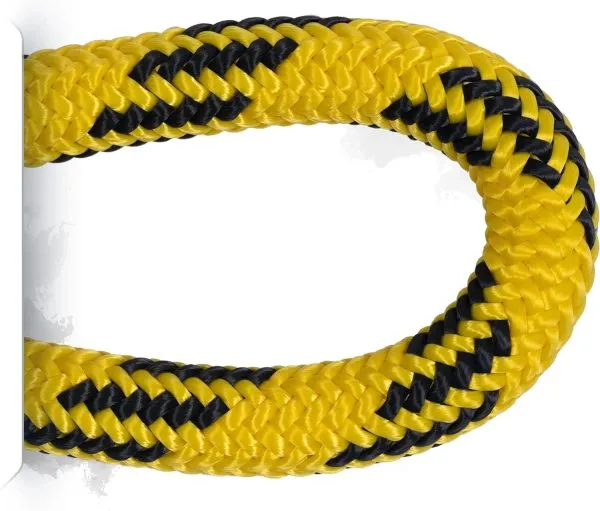
The Ultimate Guide to Choosing the Right Arborist Rope for Climbing
When it comes to climbing and working in trees, having the right gear is crucial for safety and efficiency. Among the essential tools for arborists, the climbing rope stands out as one of the most critical components. This guide explores the important aspects to consider when choosing a climbing rope, the benefits of using high-quality ropes, and best practices for maintaining your climbing gear.
Understanding Climbing Rope Specifications
Rope Construction and Material
The construction and material of climbing ropes play a significant role in their performance. Most climbing ropes are made from synthetic materials such as nylon or polyester, which offer excellent strength-to-weight ratios and durability.
Braided vs. Strand: Ropes come in various constructions, including braided and strand designs. Braided ropes tend to offer better flexibility and grip, making them easier to handle during climbs. On the other hand, strand ropes often provide increased durability and resistance to abrasion, which is critical for rough environments.
Static vs. Dynamic: It’s also essential to understand the difference between static and dynamic ropes. Static ropes have minimal stretch, making them ideal for situations where you need to maintain a secure position, such as when working on a tree. Dynamic ropes, which are designed to absorb shock during falls, are better suited for climbing activities where falls are a risk. For most arborist work, static ropes are the preferred choice.
Breaking Strength: The breaking strength of a rope, often referred to as the minimum breaking strength (MBS), indicates the maximum load the rope can handle before failure. When selecting a climbing rope, always choose one with a breaking strength that exceeds your expected load to ensure safety.
Diameter and Length
The diameter and length of the climbing rope are crucial factors that affect its performance and usability.
Choosing the Right Diameter: The diameter of the rope can impact its weight, handling, and compatibility with knots and gear. For arborists, a diameter of around 7/16 inch (approximately 11 mm) is common, providing a balance between strength and manageability. Thicker ropes may offer more durability but can be heavier and harder to handle, while thinner ropes may be lighter but could compromise strength.
Length Considerations: The length of the rope should be determined by the specific tasks you intend to perform. Typically, a length of 120 feet is suitable for most tree-climbing scenarios, allowing you to reach significant heights while providing enough length for safety and maneuverability. Always consider the height of the trees you will be working on and ensure that the rope is long enough to accommodate your climbing needs.
Adjusting Lengths: Some ropes come with options for splicing or customizing lengths, which can be beneficial for arborists who require specific configurations for different jobs. Ensuring you have the right length will enhance your climbing efficiency and safety.
Benefits of Using High-Quality Climbing Ropes
Enhanced Safety
One of the primary benefits of investing in high-quality climbing ropes is the enhanced safety they provide.
Reliability: High-quality ropes undergo rigorous testing and meet safety standards, ensuring they can withstand the demands of climbing. This reliability is vital for arborists who often work in challenging conditions where equipment failure can lead to serious accidents.
Consistent Performance: Quality ropes maintain their performance over time, resisting wear and tear better than lower-quality alternatives. This consistency is essential for safety, as a rope that degrades quickly may not perform adequately when needed.
Shock Absorption: While static ropes are typically used for tree work, some high-quality options incorporate features that enhance shock absorption, providing additional safety during unexpected falls or shifts in weight.
Improved Efficiency
Using the right climbing rope can significantly improve your efficiency while working in trees.
Ease of Handling: High-quality ropes often feature better flexibility and grip, making them easier to handle during climbs. This improved handling allows arborists to focus on their work rather than struggling with cumbersome equipment.
Reduced Fatigue: A well-designed rope can minimize the effort needed to climb, reducing fatigue over long periods. This is especially important for arborists who may spend hours in the trees performing various tasks.
Versatile Applications: Quality ropes can be used for a range of climbing techniques and applications, from traditional climbing to modern techniques like SRT (Single Rope Technique). This versatility allows arborists to adapt to different tasks with the same reliable equipment.
Longevity and Cost-Effectiveness
Investing in a high-quality climbing rope can be more cost-effective in the long run.
Durability: Quality materials and construction methods result in ropes that can withstand harsh conditions and heavy use. This durability means fewer replacements over time, saving money and resources.
Low Maintenance: High-quality ropes often require less maintenance and care compared to cheaper alternatives. This ease of maintenance allows arborists to focus more on their work and less on equipment upkeep.
Resale Value: If you ever decide to upgrade your gear, high-quality ropes tend to retain their value better than lower-quality options. This can provide a return on investment if you choose to sell your used equipment.
Best Practices for Maintaining Climbing Ropes
Regular Inspection
Regularly inspecting your climbing ropes is crucial for ensuring their safety and functionality.
Visual Checks: Before each use, conduct a visual inspection of the rope for any signs of wear, such as fraying, cuts, or discoloration. Pay special attention to the areas that experience the most abrasion, such as where the rope makes contact with the tree or climbing gear.
Check for Knots: Ensure that knots are correctly tied and secure. Poorly tied knots can lead to accidents, so always double-check your knots before climbing.
Record Usage: Keeping a log of your rope usage can help you track how often it is used and when it should be replaced. Many manufacturers provide guidelines on the lifespan of their ropes based on usage.
Proper Cleaning and Storage
Taking care of your climbing ropes through proper cleaning and storage can extend their lifespan.
Cleaning: Ropes should be cleaned periodically to remove dirt, sap, and other contaminants. Most ropes can be washed gently with mild soap and water. Avoid using harsh chemicals, as these can degrade the rope material.
Drying: After cleaning, allow the rope to dry completely before storing it. Never store a wet rope, as moisture can promote mold and damage the fibers.
Storage Conditions: Store your climbing ropes in a cool, dry place away from direct sunlight. UV exposure can weaken rope fibers, so keeping them out of bright light is essential.
Replacement and Upgrading
Knowing when to replace your climbing rope is vital for maintaining safety.
Lifespan Awareness: Be aware of the manufacturer’s recommendations regarding rope lifespan. Some ropes may need to be replaced after a specific number of uses or years, regardless of their appearance.
Signs of Wear: If you notice any significant wear, such as stiffness, loss of elasticity, or visible damage, replace the rope immediately, even if it hasn’t reached the recommended lifespan.
Consider Upgrading: As technology and materials improve, consider upgrading to newer models that offer enhanced safety features or performance benefits. Staying informed about advancements in climbing gear can help you make better choices for your safety and efficiency.
Conclusion
Choosing the right climbing rope is essential for any arborist looking to enhance safety, efficiency, and longevity in their climbing gear. By understanding the specifications, benefits, and maintenance practices associated with climbing ropes, you can make informed decisions that will serve you well in your tree-climbing endeavors. Always prioritize quality and safety, and invest in the right equipment to ensure a successful and enjoyable experience in the trees. With the right climbing rope, you’ll be better equipped to tackle any challenge that comes your way.